






Jon and Maki have been serving in Japan as missionaries since 2008.
Japan: 124 million people, almost 70% Buddhist, and officially 1% Christian.
The vision of JEMS is
“Jesus to every Japanese, Jesus everyday.”
Click below image to read more about us!



Japan is an aging country with a shrinking population.
The number of Japanese pastors is also shrinking,
and the average age of pastors is getting much older.
The average church has 30-35 people in attendance.
How can we support local churches?
How can Christianity take root in Japan?


In Japan, churches are few and far between—but the vision of the Keisen Christ Church network is bold: to plant churches across the country, as many churches as convenience stores.
What began in Yamagata has grown into 15 churches across the Kanto–Tohoku region, each one a quiet but faithful witness.
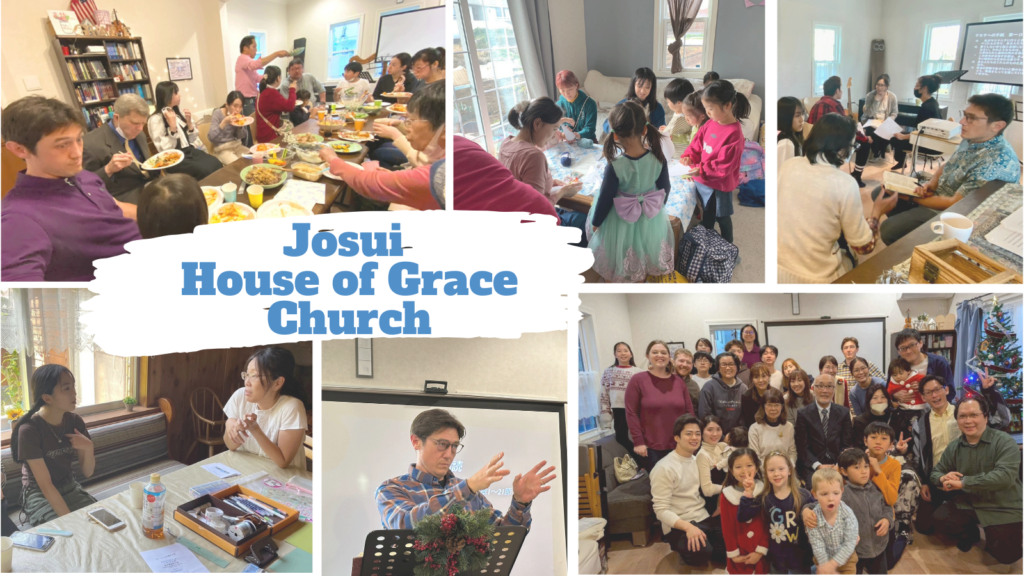
Right now, we are serving at Josui House of Grace, a small church in West Tokyo.
Church planting here moves slowly. Trust is built over years, relationships are deeply personal, and progress is often unseen—but every step of faith matters.
Jon serves through pastoral care and preaching, and Maki serves on the worship team and in women’s ministry.

twice a month our living room fills up with people from different backgrounds and faith journeys.
At our Discovery Bible Study, some come from church, some are searching, and some have been hurt by church—but all are welcome.
With freshly baked goods and coffee, we open the Bible, pray together, and ask honest questions about God and life.
Our hope is to see a local, inter-church Christian community take root in West Tokyo—one that can support and encourage one another.


Sharing the Gospel in Japan requires more than translation—it requires deep understanding.
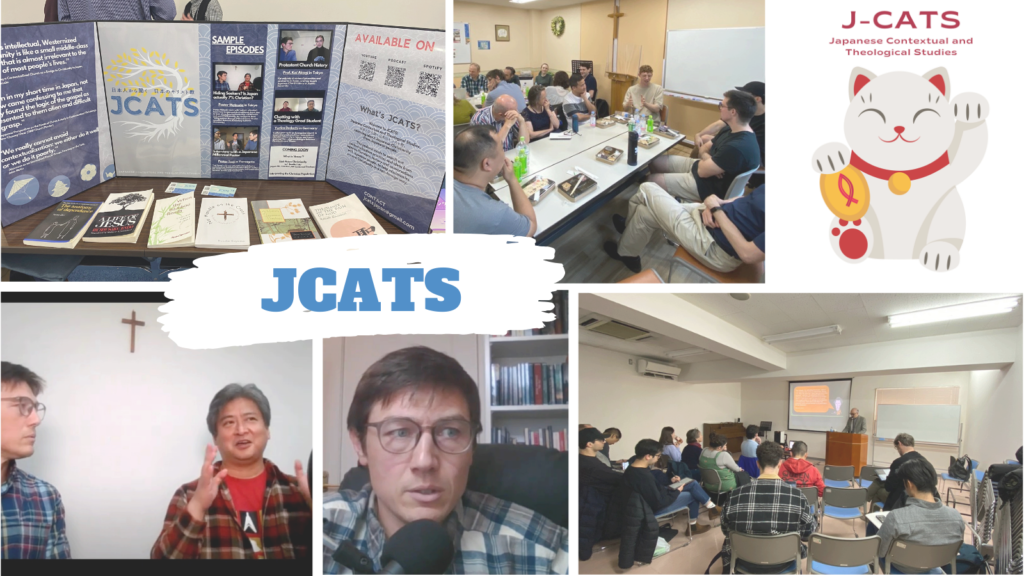
In 2023, Jon started JCATS (Japanese Contextual and Theological Studies) to help missionaries and Japanese church leaders think carefully about how faith is understood and lived within the Japanese culture.
Through podcasts and lecture events, JCATS equips leaders to communicate the Gospel in ways that connect with everyday Japanese life.
When the message is understood clearly, it can take root and bear lasting fruit.

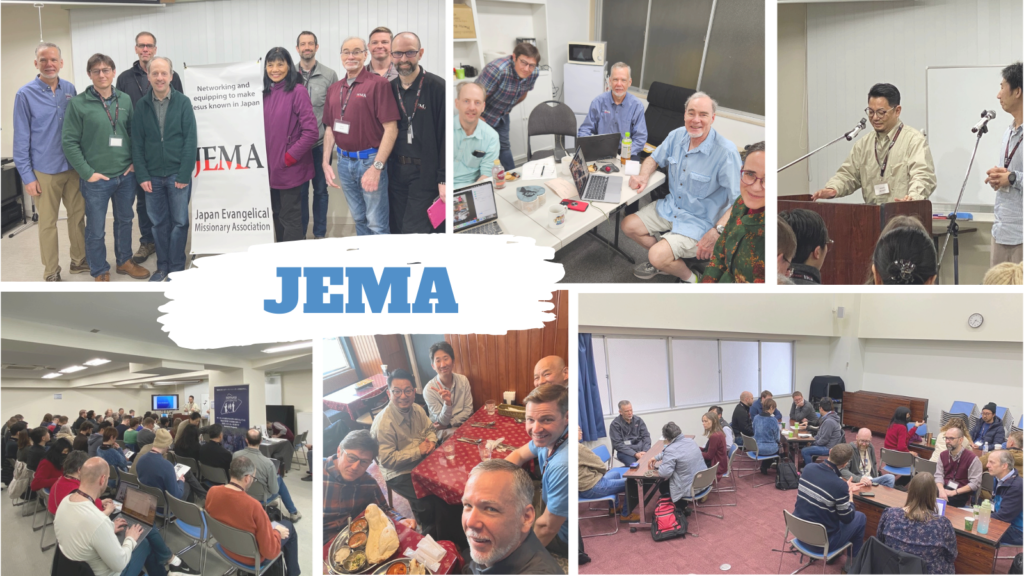
Mission work in Japan is challenging—and no one should do it alone. JEMA (Japan Evangelical Missionary Association) supports 45 mission organizations and 1,000+ missionaries through resources, care, and strong networks.
Jon serves as Vice President of JEMA, helping guide and encourage missionaries across the country.
By connecting and equipping those serving across Japan, JEMA helps missionaries stay healthy, encouraged, and effective in making disciples.


For many children and youth, Joy Bible Camp becomes a turning point—a place where faith comes alive.
Through games, crafts, worship, friendships, and Bible teaching, kids experience God’s love in ways they’ll remember long after camp ends.
This ministry is dedicated to raising the next generation of Christians in Japan, helping children grow in faith that lasts a lifetime.
Jon serves as Assistant Director, and Maki serves as Registration & Logistics Coordinator, helping ensure everything runs smoothly behind the scenes.
These moments matter. Seeds planted at camp often grow into lifelong faith.

When disaster strikes, presence speaks louder than words.
After serving in disaster relief following the 2011 Great East Japan Earthquake, Jon felt a lasting call to serve those affected by crisis.
In 2025, Jon joined the board of Crash Japan and continues to visit disaster-affected areas, including the Noto Peninsula.
In a country often impacted by earthquakes and natural disasters, disaster relief becomes a powerful way to share God’s love—through compassion, service, and simply showing up.


You often hear the static 1% Christian number for Japan. Recently I’ve heard more nuance on that number that I find encouraging. First, the number that is often quoted is that 0.4% of Japanese attend or are members of Protestant churches, and another 0.6% for Catholic.
However, in a more recent study conducted by Tokyo Christian University 30% of Japanese declared an interest in or sympathy toward Christianity. 6% of Japanese call themselves Christian, but only 0.4% regularly attend Protestant churches.
This is significant, as there is no such thing as ‘cultural Christianity’ in Japan; the status quo is Shinto/Buddhist/non-religious. We personally know quite a few Christians who don’t attend church. Some have had negative experiences, and some don’t know which churches to trust. Sadly, Japanese are very suspicious of organized religion. For whatever reason, there seems to be more opportunities than before to connect with Japanese seekers using creative avenues like social media, but assimilating people into local churches remains a challenge. Pray for breakthroughs!